Buying Guides
Best UK Retreats for Burnout and Stress Recovery
By the Carefree Retreat team
Updated 2026
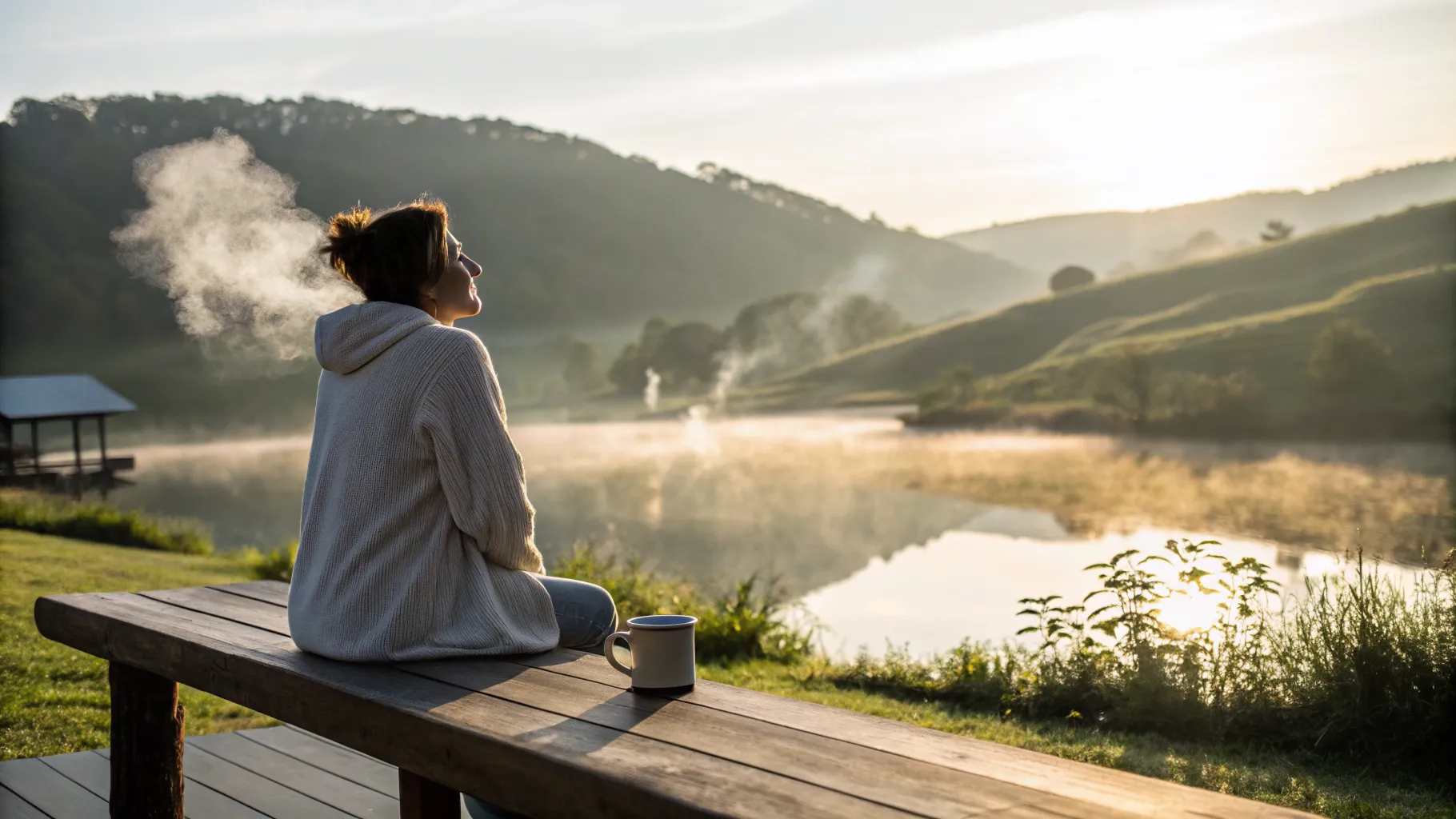
Burnout is not a soft word any more. In Mental Health UK’s Burnout Report 2026, 91% of UK adults said they had felt high or extreme levels of pressure or stress over the past year, and around one in five had needed time off work because of it. When you reach that point, a normal weekend away rarely does the job. You need somewhere that takes the noise off your hands for a few days and gives you a proper reason to stop.
This guide compares the UK retreats that genuinely cater for burnout and stress recovery, rather than rebranding a spa break. I have looked at what each one actually includes, who it suits, where it sits, and what it costs where prices are published. Everything here is within a few hours of most of England, so you are not adding a long-haul flight to an already flat battery.
What makes a retreat right for burnout, not just relaxation
A spa day feels lovely and changes nothing by Tuesday. A burnout retreat is different in three ways, and these are worth checking before you book.
- It removes decisions. Set meal times, a planned schedule, and no need to organise anyone but yourself. Decision fatigue is part of burnout, so a programme that quietly runs the day for you matters more than a long treatment menu.
- It treats rest as the point, not a gap. Look for proper downtime built in, plenty of sleep, and permission to skip sessions. Anything that crams the day from 6am to 9pm is selling a fitness camp, not recovery.
- It has people who understand the state you are in. One-to-one sessions with a wellbeing mentor, mindfulness teacher, or health practitioner are what separate a recovery retreat from a hotel with a pool.
The Mental Health Foundation makes a similar point in its guide to recognising and recovering from burnout: recovery comes from changing the pattern, not from a single nice weekend. A retreat works best as the reset that lets you change the pattern once you get home.
The best UK burnout and stress recovery retreats
Sharpham House, Devon: best for a calm, structured mindfulness reset
Sharpham House is a Grade I-listed Georgian mansion above the River Dart near Totnes, set in a designated Area of Outstanding Natural Beauty. The dedicated burnout retreat runs for four nights and is built around mindfulness, creative inquiry, group discussion, and time outdoors in the gardens and grounds.
This is one of the more grounded options here. There is no cryotherapy gimmickry. You get full-board vegetarian meals, a single room, guided sessions, and the kind of quiet that does most of the work. The Sharpham Trust has been running retreats since 1982, so the teaching is experienced rather than improvised.
- Length: 4 nights
- Price: from £545 standard room, £595 premium, £695 heritage room, full board
- Worth knowing: limited 50% bursaries are available if money is a genuine barrier
- Suits: anyone who wants stillness and skills to take home rather than treatments
Combe Grove, near Bath: best for a medical, evidence-led approach
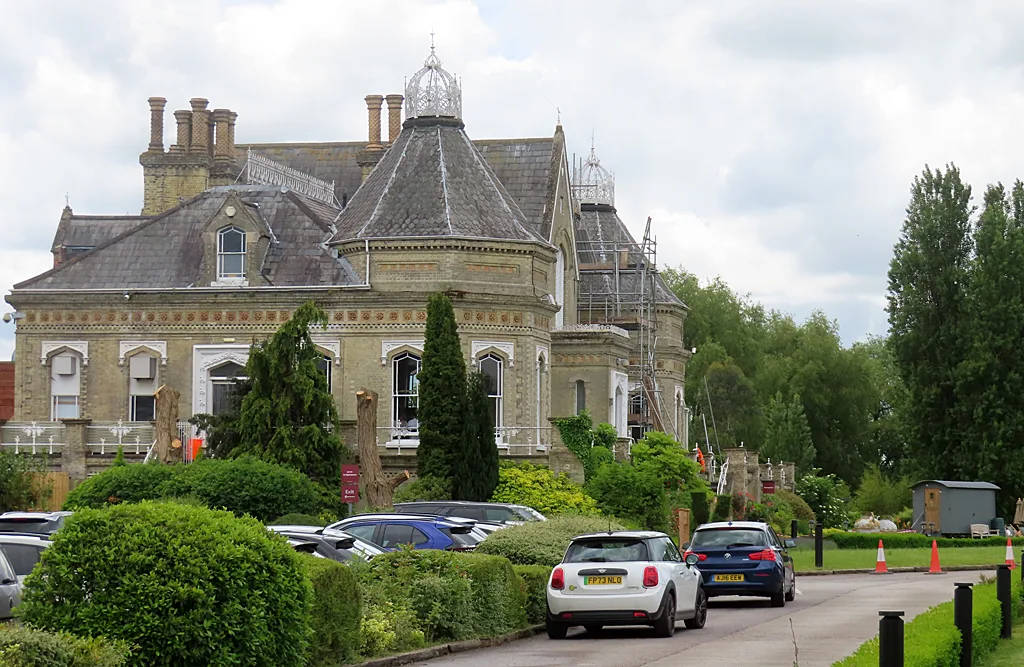
Combe Grove is an 18th-century manor house in 70 acres of Somerset countryside above the Limpley Stoke valley, a few miles from Bath. The train to Bath Spa takes around 90 minutes from London, then a short drive. It positions itself as a medical wellbeing centre, and its signature programme, the Metabolic Health Retreat, is built around the 5 Roots of Metabolic Health: nutrition, movement, sleep, environment and mindset.
This is the option for people who want data, not just calm. The five-night programme includes blood tests, body composition analysis, a consultation with a nutritionist, treatments, and specialist talks, with a digital detox built in, since phones are discouraged and there are no TVs in the rooms. A structured programme of follow-up care comes afterwards, which matters because burnout recovery does not finish when you check out.
- Length: 5 nights, with a complimentary 3-night Returner Retreat around 12 weeks later
- Suits: people whose burnout shows up physically (sleep, gut, energy) and who respond to measurable change
Broughton Sanctuary, Yorkshire Dales: best for big landscape and water therapies
Broughton Sanctuary sits in 3,000 acres on the edge of the Yorkshire Dales near Skipton. The scale is the point. There are walking trails, woodland, wild swimming, and the Avalon Wellbeing Centre with a 20-metre indoor pool, hydrotherapy pool, sauna, steam room, woodland saunas among the trees, and a floatation tank.
Programmes here include burnout recovery, sleep, and mindfulness retreats, alongside well-known names such as the three-night Ruby Wax immersive retreat, aimed squarely at people navigating burnout and muddled thinking. If part of your recovery is simply being somewhere vast and beautiful, this one earns its place.
- Length: programmes commonly run 3 nights and up
- Suits: anyone who recharges in big nature and likes water-based therapies and saunas
The Glass House Retreat, Essex: best for proximity to London
The Glass House is a purpose-built wellness retreat in Bulphan, Essex, less than an hour from central London. It is the easiest reach here if you are in the South East and cannot face a long drive when you are already running on empty.
Stays run from one-night spa breaks up to two nights and far longer, with classes, fitness facilities, cryotherapy, spa treatments, and full-board meals included. It leans more spa-and-fitness than deep silence, so it suits a softer reset or a couples weekend rather than a serious clinical intervention. Use it when you need to step out of the week quickly, not when you need a fortnight of recovery.
- Length: from 1 night upward
- Suits: London and South East residents who want a fast, comfortable de-stress without travel strain
La Crisalida, Mid Wales: best for a longer guided burnout programme
La Crisalida runs retreats in the Upper Severn Valley in Mid Wales as well as on the Costa Blanca in Spain. Its burnout retreat is a seven-night programme, which is the length most experts say lets something actually shift rather than just easing the surface.
The package centres on one-to-one sessions with holistic health and wellbeing mentors to look at the causes of your burnout and build a recovery plan. Daily yoga, mindfulness, life coaching, and guided walks fill out the days, and you can skip what you do not want. It is the strongest pick if you can take a full week and want a plan you leave with, not just a rested feeling.
- Length: 7 nights
- Suits: people who can take a proper week off and want structured recovery planning
How long should a burnout retreat be?
Two to three nights is enough to decompress and get some sleep back. It interrupts the spiral and reminds your nervous system what calm feels like, which is valuable on its own. But a short break rarely changes the underlying pattern.
Five to seven nights is where deeper recovery tends to happen. With more time, the early days of restlessness pass, sleep normalises, and the one-to-one work has room to land. If your burnout has been building for months, treat the longer programmes as the serious option and the weekend resets as a stopgap.
Whatever the length, the retreat is the start, not the cure. The point is to come home with a changed routine: better sleep, firmer boundaries at work, and a habit or two you can actually keep.
How to choose between them
Match the retreat to the kind of tired you are.
- Mentally frazzled, can’t switch off: Sharpham for structured mindfulness, or La Crisalida for a longer guided plan.
- Physically run down, sleeping badly: Combe Grove for the medical and metabolic approach.
- Craving space and nature: Broughton Sanctuary for the landscape and water therapies.
- Need a fast reset near London: The Glass House for a low-effort weekend.
Then sanity-check the practical things: total travel time door to door, whether food suits any dietary needs, and whether the daily schedule leaves real gaps. If a programme looks packed from breakfast to bedtime, ask how easy it is to opt out of sessions. Recovery needs slack in it.
If a gentler reset suits you better than clinical burnout work, it is worth reading our wider UK detox retreats guide before you commit.
Frequently asked questions
How much does a UK burnout retreat cost? It varies with length and what is included. Sharpham House’s four-night burnout retreat runs from £545 to £695 full board. Longer, more medical programmes such as Combe Grove’s five-night Metabolic Health Retreat start from around £2,600, and high-end immersive retreats cost more again. Always check whether meals, treatments, and one-to-one sessions are included or charged as extras.
What is the difference between a burnout retreat and a normal spa break? A spa break is mostly treatments and relaxation. A burnout retreat is built around structured recovery: set routines that remove decision-making, mindfulness or coaching, proper rest as the priority, and often one-to-one sessions with someone who understands stress and exhaustion. The aim is a changed pattern you take home, not just a pleasant weekend.
How long should I go for to recover from burnout? Two to three nights will help you decompress and reset sleep. Five to seven nights gives deeper recovery time, which most practitioners consider necessary if your burnout has built up over months. A weekend is a useful interruption, a week is closer to a genuine reset.
Are these retreats suitable for solo travellers? Yes. Most UK burnout retreats run as group programmes with shared sessions and meals, so going alone is normal and easy. Single rooms are usually available, and the structured schedule means you are never left to organise your own day, which many solo guests prefer.
Can a retreat replace medical help for burnout? No. A retreat is a reset and a recovery aid, not a treatment for clinical exhaustion, anxiety, or depression. If burnout is affecting your health, your relationships, or your ability to function, speak to your GP or call NHS 111. Use a retreat alongside proper support, not instead of it.
Which UK burnout retreat is easiest to reach without a long journey? The Glass House in Essex is the closest to London, under an hour from the centre. Combe Grove near Bath is about 90 minutes by train to Bath Spa, then a short drive. Avoiding a long, draining journey matters when you are already burnt out, so factor door-to-door travel time into your choice.
Found a place we’ve missed? Tell us about it.
Back to top