Buying Guides
Pregnancy Spa Days: What You Can and Cannot Do
By the Carefree Retreat team
Updated 2026
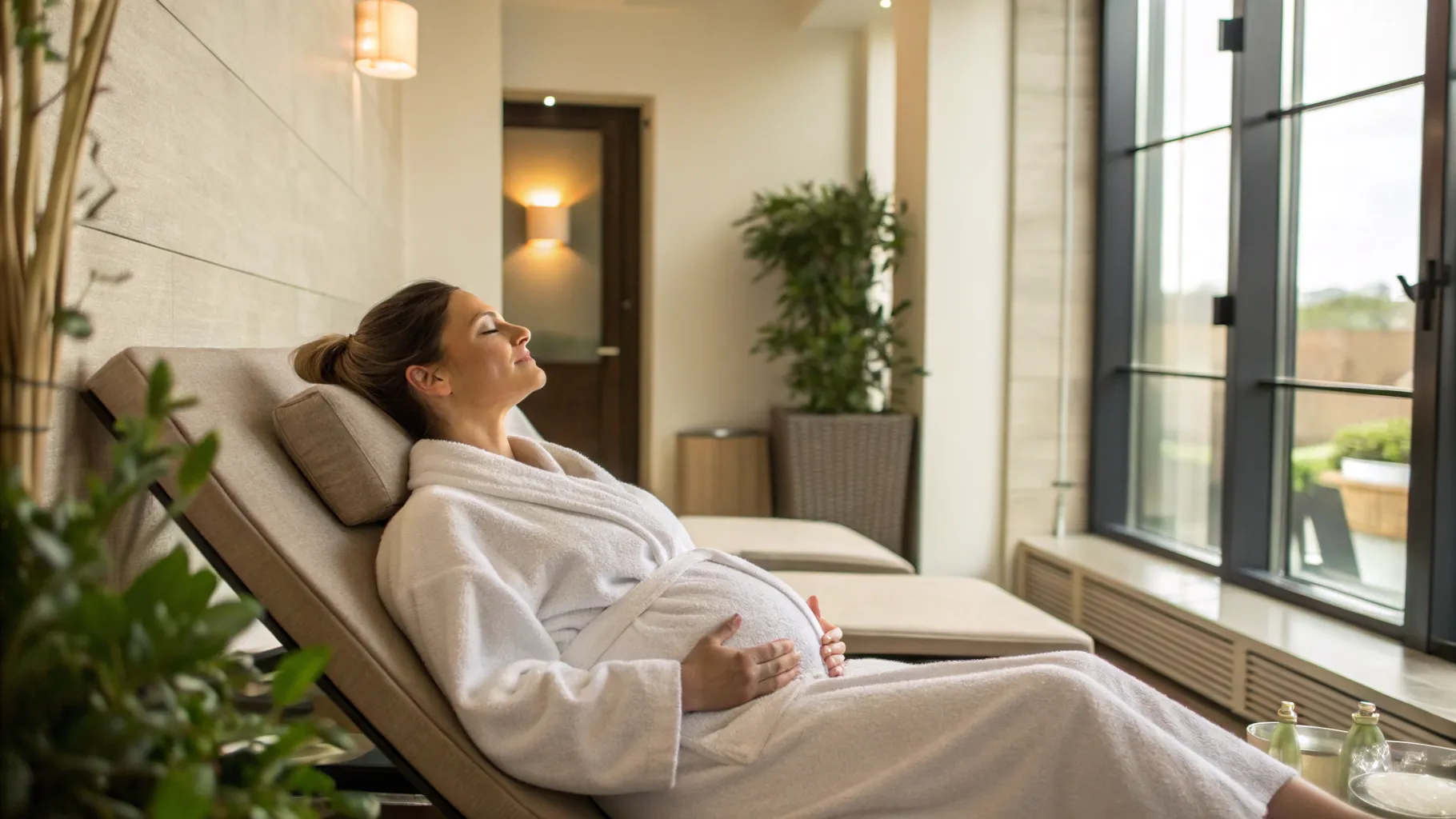
Pregnancy Spa Days: What You Can and Cannot Do
A pregnancy spa day is one of the nicest ways to slow down before a baby arrives, but it comes with a short list of real rules rather than vague worries. The good news is that plenty is fine: the trick is knowing which treatments to swap, which to skip entirely, and how to pick a spa that handles pregnant guests properly. This guide walks through exactly that, with the safety advice grounded in NHS guidance, so you can book a maternity spa day with confidence.
Always tell the spa you are pregnant when you book, and check anything specific with your midwife or GP first. What follows is general guidance, not medical advice for your individual pregnancy.
What to avoid: heat treatments
This is the big one. NHS guidance advises avoiding saunas, steam rooms, hot tubs and jacuzzis during pregnancy, and especially in the first 12 weeks. The reason is overheating. When you sit in intense heat your body cannot cool itself efficiently by sweating, so your core temperature rises. A significant rise in core temperature can be harmful in early pregnancy, and the heat can also leave you faint and dehydrated as blood flow shifts towards your skin and away from internal organs.
So the classic thermal suite, sauna, steam, hot tub, is off the menu. A heated hydrotherapy or swimming pool is usually fine as long as it is kept at a comfortable temperature; for hydrotherapy pools the water should not be above 35C. A gentle warm (not hot) pool, a relaxation room and a cool plunge avoided are the sensible defaults. You can read the NHS position in full on the NHS pregnancy pages.
What you can usually enjoy
A pregnancy spa day done well is mostly about the calm, low-heat treatments, and there are plenty:
- Prenatal (pregnancy) massage from a therapist trained and experienced in treating pregnant clients. Done properly it can be safe at most stages, but many spas only offer it from the second trimester onwards.
- Facials, which are among the safest treatments, as long as the products are pregnancy-appropriate.
- Manicures and pedicures, ideally in a well-ventilated area. A spa pedicure is a lovely, low-risk treat, and the foot massage element is welcome when ankles are swelling.
- Gentle relaxation areas, warm (not hot) pools, comfortable loungers, quiet rooms and herbal teas.
The pattern is simple: keep it cool, keep it gentle, and let the staff tailor it to your stage of pregnancy.
Treatments to approach with caution
Some treatments are not automatically banned but need a pregnancy-trained therapist and a conversation first:
- Massage type and position. Avoid deep-tissue work and hot stone massage. Later in pregnancy you should not lie flat on your back for long, so a good prenatal massage uses side-lying or supported positions.
- Essential oils and aromatherapy. Some oils are relaxing in pregnancy and others are not confirmed safe, so the therapist must know you are pregnant and choose accordingly. Scent-free oils on the skin are the cautious option.
- Certain body treatments. Heated body wraps and anything that raises your core temperature should be avoided for the same reason saunas are.
The rule of thumb: if a treatment is built around heat, deep pressure, or strong essential oils, flag it and let a trained therapist adapt or skip it.
When in pregnancy can you go?
Most UK spas will not carry out pregnancy treatments during the first trimester, and many ask that you are past 12 weeks before booking a prenatal massage. The first 12 weeks are also when the overheating risk matters most, so it is the most cautious window. The sweet spot for a relaxed maternity spa day is often the second trimester, when energy is usually better and the early risks have passed. In the third trimester you can still enjoy gentle treatments, but check the spa’s policy, as some have a cut-off in the final weeks.
How to choose a pregnancy-friendly UK spa
Not every spa is set up for pregnant guests, so a few checks before you book save disappointment on the day:
- Ask whether they offer dedicated prenatal treatments and from which week of pregnancy. A spa that lists pregnancy massage and trains its therapists for it is a good sign.
- Check what is included beyond the thermal suite. If the package is built around sauna, steam and hot tub access you cannot use, you are paying for things you will skip. Look for a venue with a warm pool, relaxation spaces and a strong treatment menu.
- Confirm the therapist’s experience with pregnant clients when you book the treatment, not when you arrive.
- Tell them your stage of pregnancy so they can flag anything in advance.
Dedicated spa booking platforms let you filter for pregnancy-friendly venues and packages, which is an easy way to shortlist. For a calmer alternative to a busy day spa, our guides to solo spa breaks in the UK and spa days in Wales cover quieter options, and a mother and daughter spa day makes a lovely way to mark the occasion with family.
A simple pregnancy spa day plan
If you want a template, this works for most second-trimester guests: arrive, settle in a warm (not hot) relaxation area, enjoy a prenatal massage or a facial, have a gentle swim in a comfortably warm pool, and finish with a manicure or pedicure and a long rest with plenty of water. Skip the sauna, steam and hot tub entirely, stay hydrated, and stop any treatment that makes you feel too warm, dizzy or uncomfortable.
Frequently asked questions
Can you have a spa day while pregnant? Yes, with adjustments. Gentle treatments such as prenatal massage, facials and pedicures are usually fine, but you should avoid saunas, steam rooms, hot tubs and jacuzzis because of the overheating risk, especially in the first 12 weeks.
Can you use the sauna or hot tub when pregnant? NHS guidance advises against saunas, steam rooms, hot tubs and jacuzzis in pregnancy, as they can raise your core temperature and leave you faint or dehydrated. A warm pool kept at a moderate temperature is generally a safer alternative.
Is a pregnancy massage safe? Performed by a therapist trained in prenatal massage, it can be safe at most stages, though many UK spas offer it only from the second trimester. Avoid deep-tissue and hot stone massage, and from later in pregnancy avoid lying flat on your back.
When in pregnancy can I book a spa day? Most spas avoid pregnancy treatments in the first trimester and ask that you are past 12 weeks. The second trimester is often the most comfortable time. Always check the venue’s policy, as some have a cut-off late in the third trimester.
Are facials and pedicures safe during pregnancy? They are among the lower-risk treatments. Choose pregnancy-appropriate products, make sure rooms are well ventilated, and tell your therapist you are pregnant so they can adjust if needed.
What should I tell the spa before my visit? Tell them you are pregnant and how many weeks, when you book and again on arrival. This lets them assign a suitably trained therapist, adapt treatments, and steer you away from anything that is not recommended at your stage.
Found a place we’ve missed? Tell us about it.
Back to top