Yoga Retreats
Yoga Retreat Styles: Vinyasa, Hatha, Yin or Ashtanga?
By the Carefree Retreat team
Updated 2026
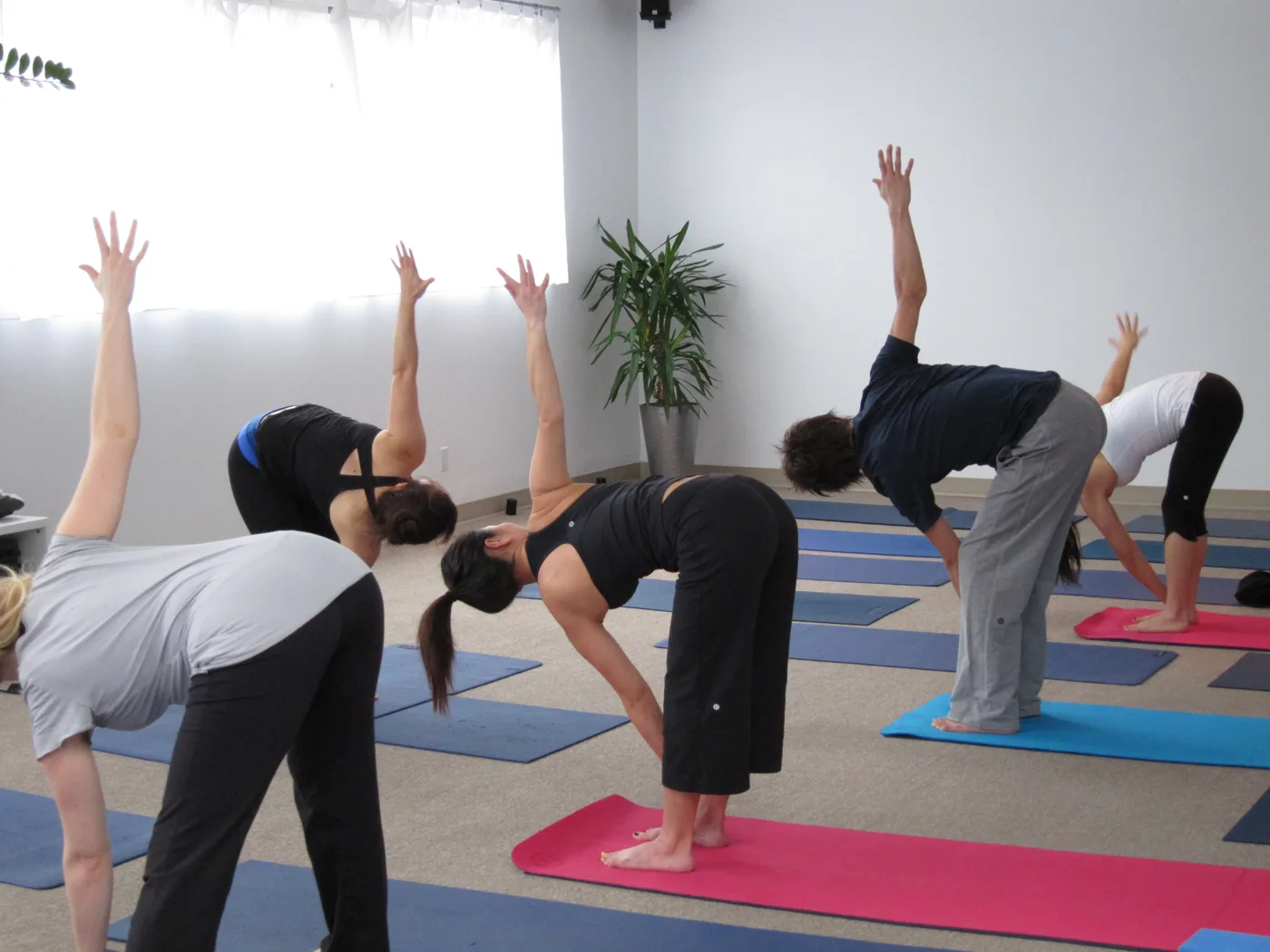
Yoga retreat styles matter more than most listings let on. In a 60-minute class at the gym, a style you do not get on with costs you an hour. On a retreat you will practise it twice a day for three, five or seven days, and that is when a fast Vinyasa flow wears out a beginner’s wrists or a week of Yin leaves a runner restless. The word on the listing is the best clue you have to how your body will feel on day three.
Below are the styles you will actually see on UK retreat listings, what a session in each one is like, who it suits, and how to read the vaguer labels (“all levels”, “Hatha flow”, “Vinyasa and Yin”) that most retreats use.
The styles at a glance
| Style | Pace | What a session is like | Best for |
|---|---|---|---|
| Hatha | Slow to moderate | Poses held for several breaths, with rests and breathing work | First retreat, mixed groups |
| Vinyasa | Moderate to fast | Continuous flow, one movement per breath | People who want a workout |
| Ashtanga | Fast, demanding | The same fixed sequence every time | Committed practitioners |
| Iyengar | Slow, precise | Detailed alignment, blocks, belts and chairs | Stiff bodies, old injuries, detail lovers |
| Yin | Very slow | Floor poses held for minutes | Runners, desk workers, sleep |
| Restorative | Stillest of all | Fully supported poses, mostly lying down | Burnout, illness, recovery |
Hatha: the safe default
Strictly, Hatha is the umbrella for almost all physical yoga. On a UK retreat timetable it means something narrower: a class where poses are held for several breaths rather than flowed through, with time to come out of a pose, rest and listen to instructions. Most sessions include some breathing practice (pranayama) and end with a long relaxation.
That pace is why so many beginner and “all levels” retreats teach Hatha. You can watch, copy and ask, and if a pose does not work for you there is time for the teacher to give you another one. If this is your first retreat, start here. Our yoga retreats for beginners page lists venues that teach this way.
Watch for “Hatha flow” or “dynamic Hatha”. Those usually mean a slow Vinyasa class, and the word Hatha is there to reassure beginners.
Vinyasa: the flowing class
Vinyasa links each movement to a breath, so the class moves continuously, typically through repeated sun salutations with a plank, a lowering to the floor (chaturanga) and an upward or downward dog in each round. It grew out of Ashtanga, but the teacher changes the sequence every class.
Twice a day for several days it is hard work, and the load falls on the wrists and shoulders. Done well it is the most energising style on this list and the one that feels most like exercise. Done fast in a group of mixed ability it is where beginners get hurt, because nobody has time to check their shoulder in the hundredth chaturanga.
Choose it if you already take a Vinyasa class at home, or if you want a retreat that leaves you physically tired. If it is new to you, look for a retreat that pairs it with something slower in the evening.
Ashtanga: the same sequence, every time
Ashtanga, as taught by K. Pattabhi Jois in Mysore, is a fixed sequence of poses practised in the same order every time. Most students spend years on the first sequence, the Primary Series. It is athletic, hot and repetitive by design, and the repetition is the point: you see your progress against the same poses.
On a retreat it comes in two forms:
- Led class: the teacher counts the whole group through the sequence together.
- Mysore style: everyone works through the sequence at their own pace in the same room, and the teacher moves around giving individual adjustments. It is the traditional way to learn, and it suits mixed levels better than a led class, because a newcomer simply stops at the point they have reached.
Traditional Ashtanga takes rest days on Saturdays and on full and new moon days, so check whether a retreat schedule allows for them. Ashtanga is not a beginner retreat style unless the listing says so explicitly.
Iyengar: precision and props
B.K.S. Iyengar’s method, set out in his 1966 book Light on Yoga, is about getting each pose exactly right. Classes are slower than Vinyasa but not easy: you will hold a pose while the teacher adjusts the feet, the knees, the pelvis, then the arms, using blocks, belts, blankets, bolsters and chairs so a stiff body can reach the shape safely.
That makes it the best style on this list if you have an old injury, a bad back or limited flexibility, and it suits people who want to understand what they are doing. Iyengar teacher certification takes years of training, and Iyengar Yoga (UK) lists certified teachers, so you can check a retreat teacher’s name before you book.
Yin: long holds on the floor
Yin is a slow, floor-based practice where you settle into a pose and stay. Most teachers hold each pose for three to five minutes, beginners for less, and experienced classes sometimes much longer. The aim is a long, gentle stretch through the hips, spine and legs rather than muscular effort, and the long holds become a kind of meditation whether you planned it or not.
It is the most common evening class on UK retreats, and it is popular with runners, cyclists and anyone who sits at a desk all week. It is harder than it looks for restless minds: five minutes is a long time in a pigeon pose. If you are hypermobile, go easy and ask the teacher for shorter holds, because you can sink further into a pose than is good for you.
Restorative: barely moving, deliberately
Restorative yoga uses bolsters, blankets and blocks to support you completely in a handful of poses, mostly lying down, often for ten minutes or more each. There is no stretching to speak of. The point is rest that your body can actually absorb.
It is the right choice after illness, during a hard stretch at work, or if you are going on retreat because you are exhausted rather than because you want to practise more yoga. It pairs naturally with a spa or wellness retreat where the yoga is one part of the day.
Hot yoga and Kundalini
Hot yoga is rare on residential retreats because it needs a heated studio. The best-known form, Bikram, is a fixed sequence of 26 postures (24 poses and two breathing exercises) in a room heated to around 41°C with about 40% humidity. Unless a retreat says it has a heated room, you will not meet it.
Kundalini is mostly breathwork, chanting, repeated movement and meditation rather than held poses. It feels very different from the other styles here, so do not book a Kundalini retreat expecting a physical yoga holiday.
How to read a retreat timetable
Most UK retreats do not teach one style. The common pattern is two sessions a day: a dynamic one in the morning (Vinyasa or Hatha) and a slow one before dinner (Yin or Restorative), with meditation or breathwork somewhere in between. That pairing is genuinely good for mixed groups, because the morning class works you and the evening class undoes it.
Before you pay a deposit, ask three things:
- What exactly is taught at each session, not just “yoga”. A timetable that says “morning practice” and nothing else is a reason to ask.
- How big the group is. In a group of 25 nobody gets adjustments. In a group of 8 the teacher can change a pose for your knee.
- Who is teaching, and their training. A British Wheel of Yoga or Iyengar certified teacher has been assessed; a 200-hour certificate alone tells you less. Our page on yoga teacher accreditation in the UK explains what each badge proves. The British Wheel of Yoga is the governing body for yoga in Great Britain.
If you have a health condition, tell the retreat when you book, not on arrival, so the teacher can plan for it.
Matching a style to what you want from the trip
- First retreat, nervous about keeping up: Hatha, or a Hatha plus Yin timetable.
- You want to come back fitter: Vinyasa, or Ashtanga if you already practise it.
- Bad back, stiff hips, old injury: Iyengar for the detail, Yin or Restorative for the evenings.
- You are exhausted and want to rest: Restorative, Yin, and a venue with a spa.
- You want to deepen a practice you already have: a Mysore-style Ashtanga week or an Iyengar intensive with a senior teacher.
When you have the style, our best yoga retreats in the UK and weekend yoga retreats pages compare venues, and affordable yoga retreats covers the cheaper end.
Frequently asked questions
Which yoga retreat style is best for beginners? Hatha. It is slower, poses are held long enough for instruction, and teachers have time to give alternatives. Iyengar is also a good start if you are stiff or carrying an injury. Avoid an Ashtanga or fast Vinyasa week for a first retreat unless the listing says it is designed for beginners.
What is the difference between Vinyasa and Hatha yoga? Hatha holds each pose for several breaths with rests in between; Vinyasa flows continuously from pose to pose, one movement per breath. Vinyasa is more of a workout and harder on the wrists and shoulders, while Hatha leaves more time to learn each pose properly.
Is Yin yoga good on a retreat? Yes, especially as the evening session after a more active morning class. Poses are usually held for three to five minutes on the floor, which suits runners, desk workers and anyone who wants to sleep well. It is less suitable as the only style for people who want physical effort.
Is Ashtanga too hard for a yoga retreat? For a beginner in a led class, often yes. Mysore-style Ashtanga is more forgiving, because each student works at their own pace and stops where they have reached in the sequence. If you already practise Ashtanga, a retreat is a good place to go deeper.
What does “all levels” mean on a yoga retreat? It means the teacher expects a mixed group and will offer easier and harder versions of poses. It does not tell you the pace. Ask which style is taught and how big the group is.
Which yoga style is best for back pain? Iyengar is the usual recommendation, because of its attention to alignment and its use of props to adapt poses. Restorative yoga suits flare-ups. Tell the retreat about your back when you book and check with your GP or physio if the pain is new or severe.
Found a place we’ve missed? Tell us about it.
Back to top