Buying Guides
Bathing Season Dates England: 15 May to 30 Sept, Then What
By the Carefree Retreat team
Updated 2026
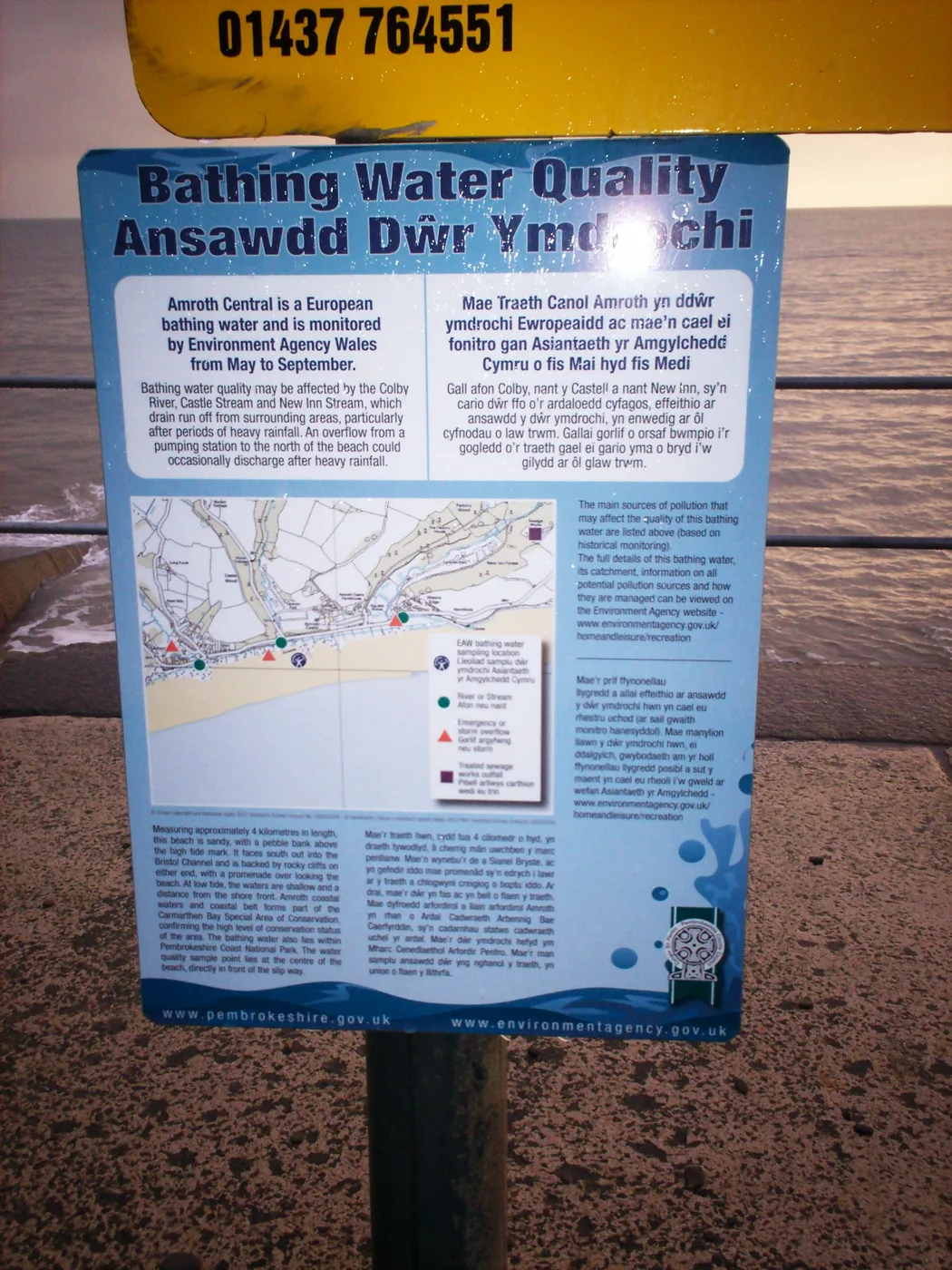
The bathing season dates in England are 15 May to 30 September. Those are the months when the Environment Agency samples the water at designated bathing sites, councils put up water quality signs, and pollution risk warnings run. Outside them, nobody is routinely testing the water at your beach or river spot, which matters if your retreat sells a sunrise sea dip in November.
The 2026 season has just ended. This page sets out what the dates mean, what changed in the rules this year, how the rest of the UK differs, and how to judge the water when you swim out of season.
The dates, nation by nation
| Nation | Bathing season | Who tests |
|---|---|---|
| England | 15 May to 30 September | Environment Agency |
| Wales | 15 May to 30 September | Natural Resources Wales |
| Scotland | 1 June to 15 September | Scottish Environment Protection Agency (SEPA) |
| Northern Ireland | 1 June to 15 September | DAERA |
So a retreat in the Highlands or on the Antrim coast has a shorter monitored season than one in Cornwall or Pembrokeshire. A late-September swim in Scotland or Northern Ireland is already outside the testing window.
What the season actually switches on
At each of England’s designated bathing waters, the season brings:
- Regular sampling. The Environment Agency tests for two bacteria that indicate sewage or animal waste, E. coli and intestinal enterococci. Results are published on the Swimfo bathing water profiles, usually within days.
- Signs at the site. Councils must put up signs during the season that give the water quality information, announce pollution incidents and warn about known pollution sources.
- Pollution risk forecasts. At some sites, daily warnings flag when heavy rain makes short-term pollution likely.
The season’s samples also feed the classification each site receives every November: Excellent, Good, Sufficient or Poor. Our guide to bathing water classifications explains what each one means and which beaches were rated Poor.
What changed in 2026
The Bathing Water (Amendment) (England and Wales) Regulations 2025 changed the system in two steps. Most provisions came into force on 21 November 2025, and the parts covering bathing season dates came into force in England on 15 May 2026.
The main change for season dates is flexibility. The general season stays at 15 May to 30 September, but the fixed dates have been taken out of the regulations so that ministers can approve different dates for a particular site where that better reflects when people actually use it. The government has said this is about matching monitoring to how people swim now, including the growing number who swim year round.
For 2026, the standard dates still applied in practice. The Environment Agency’s own guidance on designating new sites, updated on 14 May 2026, still defines the season as 15 May to 30 September.
England also gained 13 new designated bathing waters for the 2026 season, bringing the list on GOV.UK to more than 460 sites. They include two River Thames sites (Ham and Kingston, and Pangbourne Meadow), the River Fowey at Lostwithiel, the Swale above Richmond Falls, the River Avon in Salisbury, the River Waveney at Bungay, and coastal sites from Amble in Northumberland to Newton and Noss in South Devon. Each was sampled for the first time this summer and will get its first classification later.
Want your spot designated? The deadline is 15 October 2026
Community groups, councils and landowners can apply to have a swimming spot designated. Applications for consideration must be in by 15 October 2026, for designation in the 2027 or 2028 season. The GOV.UK guidance sets the main tests: an average of at least 100 bathers a day during the season, counted on at least two busy days, toilets within about 500 metres, and a local consultation that ran for at least six weeks during the season. Paddleboarders and kayakers are not counted at the survey stage.
That is useful for a retreat too. A venue that runs regular river swims and backs a designation application gets official monitoring of its own water.
Swimming outside the season
From October to mid-May, there is no routine bathing water testing, no water quality signage and no pollution forecasts at most sites. That does not make the water dirty, but it does mean you are relying on your own judgement. Four checks help:
- Look at the site’s classification. A beach rated Excellent over four years is a better bet in winter than one rated Poor, even without current data.
- Check storm overflow alerts. Water companies publish near real-time maps of storm overflows discharging, and Surfers Against Sewage’s free Safer Seas and Rivers Service sends alerts for many beaches and some rivers outside the season.
- Stay out after heavy rain. The common rule among open water swimmers is 48 hours, because rain washes sewage and farm run-off into rivers and the sea.
- Ask the retreat. A venue that offers cold-water dips should know the status of its spot and have a rule for wet weather. If it does not, swim in a cold plunge pool instead. Our outdoor spa round-up lists venues with clifftop and lakeside pools.
Cold matters more than bacteria in winter. Sea temperatures around the UK are at their lowest in late winter and early spring, so if you are new to cold water, go in with others, keep it short, and do not swim alone at a site you do not know.
Frequently asked questions
When is the bathing season in England? 15 May to 30 September. During those dates the Environment Agency samples water at designated bathing sites and councils display water quality signs.
Is the bathing season the same across the UK? No. Wales matches England at 15 May to 30 September. Scotland and Northern Ireland run from 1 June to 15 September.
Has the bathing season changed in 2026? The general dates have not. New rules in force in England from 15 May 2026 allow ministers to approve different season dates for individual sites to match local use, but the 2026 season ran on the standard dates.
Is the water tested in winter? Not routinely at designated bathing waters. Use the site’s classification, storm overflow alerts and the 48-hour rain rule to judge the risk.
How many bathing waters are there in England? More than 460 designated sites are on the GOV.UK list for 2026, including 13 new ones added this year.
How do I get a swimming spot designated? Apply to Defra with evidence of at least 100 bathers a day, nearby toilets and a six-week local consultation. The deadline for the next round is 15 October 2026.
Sources
- GOV.UK, Bathing waters: list of designated waters in England, updated 14 May 2026
- GOV.UK, Bathing waters: apply to designate or de-designate, updated 14 May 2026
- Defra, Bathing water reforms keep pace with Britain’s love of swimming, 12 March 2025
Found a place we’ve missed? Tell us about it.
Back to top