Buying Guides
Passport Rules for Europe: The 10-Year and 3-Month Tests
By the Carefree Retreat team
Updated 2026
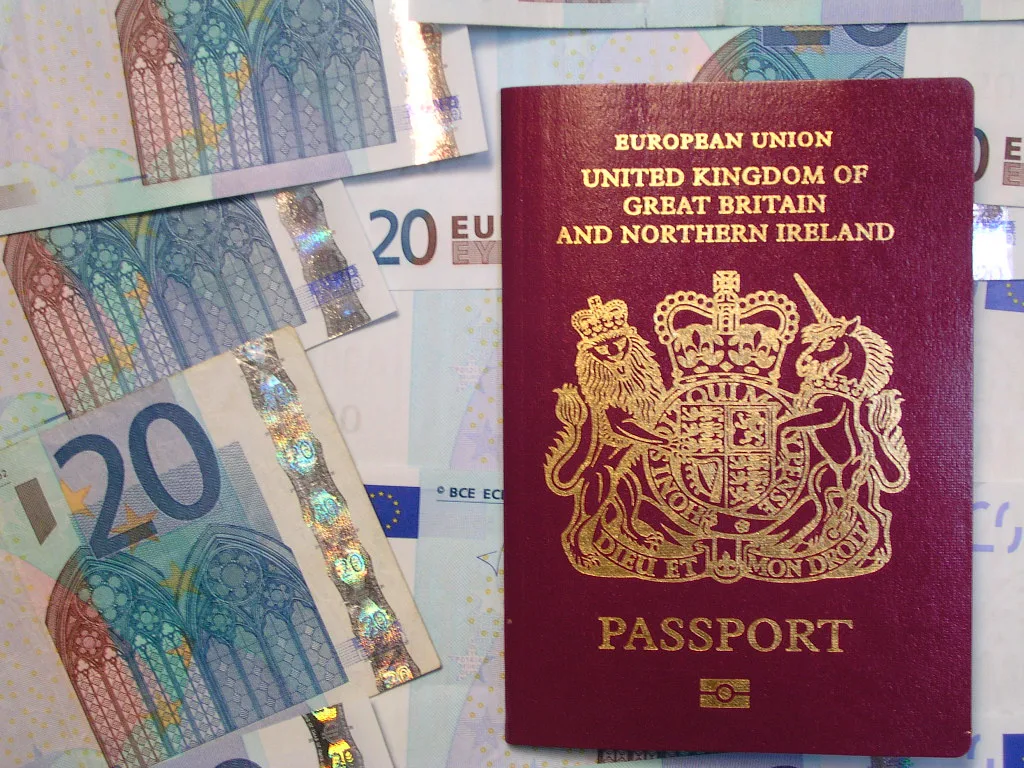
The passport rules for travel to Europe come down to two dates printed inside your British passport, and both have to pass on the day you travel. The date of issue must be less than 10 years before the day you arrive in the Schengen area. The expiry date must be at least three months after the day you plan to leave. Fail either one and the airline can refuse to board you, however much you have paid for the retreat.
Both tests come from the Foreign, Commonwealth and Development Office’s entry requirements for Schengen countries, checked on 28 September 2026. They are the reason people get turned away at the gate with a passport that still looks perfectly in date.
Test 1: issued less than 10 years before you arrive
Open your passport at the photo page and find the date of issue. Add ten years. If the date you land is on or after that anniversary, the passport fails, even if the expiry date is still months away.
This is the rule that catches people, because of how passports used to be renewed. Before September 2018, HM Passport Office added any unused time on your old passport, up to nine months, to the new one. That produced passports valid for up to 10 years and 9 months. The UK still honours the extra months. The Schengen area does not count them. As the FCDO puts it, if you renewed before 1 October 2018, your passport “might have a date of issue that is more than 10 years ago, making it invalid for entry to the Schengen area”.
Worked example. A passport issued on 15 March 2017 with nine extra months carried over expires on 15 December 2027. For a retreat in Portugal starting 20 March 2027, it fails: the ten-year point was 15 March 2027, five days before you land, even though the passport has nine months left on it.
Passports issued since the change can no longer run past ten years, so this trap disappears as the old ones expire. But any passport issued between late 2016 and September 2018 can still be caught by it right through 2027 and into 2028.
Test 2: valid for three months after you leave
Now look at the expiry date. It must be at least three months after the day you intend to leave the Schengen area, not the day you arrive.
Worked example. You fly home from a two-week yoga retreat in Mallorca on 30 June 2027. Your passport must expire on or after 30 September 2027. If it expires on 1 September, it fails, even though it is valid for the whole of your stay.
For a long retreat, a teacher training or a trip that links two countries together, count from the last day you will be anywhere in the Schengen area.
Where the rules apply
The two tests apply across the 29 Schengen countries, which include the retreat favourites: Spain (the Balearics and Canaries too), Portugal, France, Italy, Greece, Croatia, Austria, Switzerland and Iceland. GOV.UK’s Schengen travel guidance lists all of them.
Two places that people often assume are the same are not:
- Cyprus is not in the Schengen area, but the FCDO lists the same two passport tests for it, plus at least one blank page for stamping. Days spent in Cyprus do not count towards your Schengen 90 days.
- Ireland is part of the Common Travel Area with the UK, so the Schengen passport tests do not apply. Airlines and ferry companies set their own ID requirements, so check with them before a retreat in Kerry or Connemara.
The 90-day rule sits on top
Passing the passport tests gets you through the door. Staying is limited separately: British visitors can spend up to 90 days in any rolling 180-day period across the whole Schengen area, and the EU’s Entry/Exit System now counts those days digitally rather than relying on passport stamps. Our guide to EES and ETIAS for UK travellers covers what changed at the border and what it means for longer stays.
How to check your passport in two minutes
- Find the date of issue. Add 10 years. Your arrival date must be before that.
- Find the expiry date. Your departure date plus three months must be on or before it.
- If the passport was issued before 1 October 2018, do the first check carefully, because the expiry date may be misleading.
- Check it has not been reported lost or stolen. A passport you reported missing and later found is cancelled and will be refused.
- If it fails either test, renew before you book, not after.
If you need to renew
Renew as soon as you know. GOV.UK tells you to check how long it will take before applying, and warns not to book travel until you have a valid passport, because the new passport has a different number from the old one. That matters for retreat bookings: flights, some retreat venues and travel insurers take your passport number at booking. If you renew after booking, update the number with each of them.
If you are short of time, HM Passport Office runs an Online Premium service and a one-week Fast Track service, both by appointment and both more expensive than a standard renewal.
Frequently asked questions
What are the passport rules for travel to Europe from the UK? Your passport must have been issued less than 10 years before the day you arrive in the Schengen area, and must have an expiry date at least three months after the day you plan to leave.
Does my passport need 6 months left to travel to Spain? No. Spain follows the Schengen rules, which require three months of validity after the day you leave, and a date of issue less than 10 years before you arrive.
My passport has extra months added. Can I use it in Europe? Only until 10 years after the date of issue. The Schengen area ignores the extra months that were added to passports renewed before October 2018, so the expiry date printed may be later than the date you can actually travel.
Do the 10-year and 3-month rules apply to Cyprus? Yes. Cyprus is not in the Schengen area, but the FCDO lists the same two tests, and you also need a blank page for stamping.
Do I need a passport to go on a retreat in Ireland? The Schengen passport tests do not apply, because Ireland and the UK share the Common Travel Area. Airlines and ferry operators still ask for photo ID, and most accept or require a passport, so check with your carrier.
What happens if my passport fails the rules? The airline can refuse to let you board, and if you do get through, border officers can refuse you entry. Renewing before you book avoids the problem entirely.
Sources
- FCDO travel advice, Spain and Cyprus entry requirements (passport validity), checked 28 September 2026.
- GOV.UK, Travelling to the EU and Schengen area (90 days in 180, list of Schengen countries).
- GOV.UK, Renew or replace your adult passport (Online Premium and 1 week Fast Track; new passport number).
Found a place we’ve missed? Tell us about it.
Back to top