Buying Guides
Cold Water Immersion Safety Guidance: The 1-10-1 Rule
By the Carefree Retreat team
Updated 2026
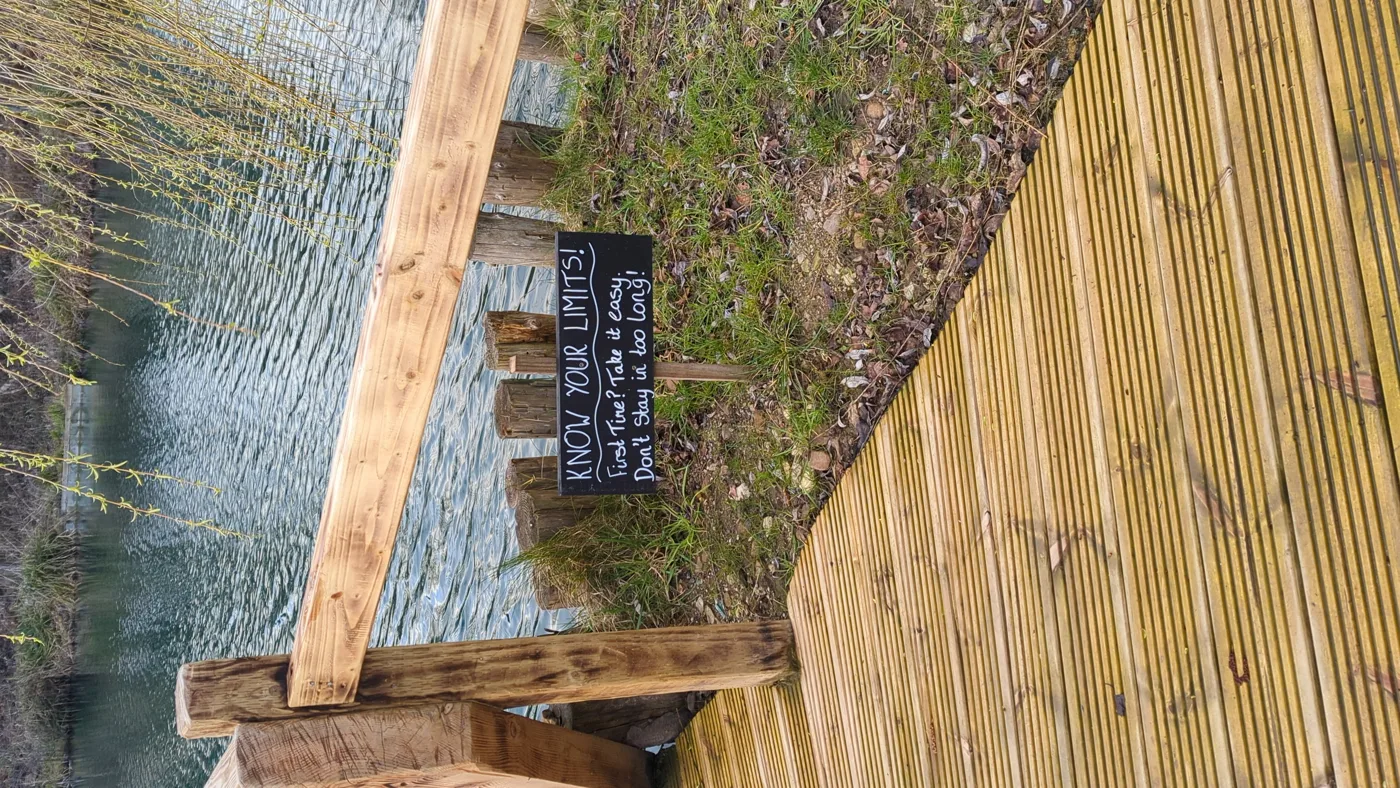
The official cold water immersion safety guidance in the UK comes mostly from the RNLI, the Royal Life Saving Society (RLSS UK) and the British Heart Foundation, and it starts from one number: 15°C. The RNLI defines any water at or below 15°C as cold enough to trigger cold water shock, and the average sea temperature around the UK and Ireland is about 12°C. Almost every ice bath, cold plunge tub and British sea or lake swim is in that range for most of the year.
Cold water is not dangerous because it is unpleasant. It is dangerous because of what it does to your breathing and your heart in the first minute, before you have a chance to think. This page sets out what the guidance actually says, how a controlled ice bath differs from open water, who should not do either, and how to warm up properly afterwards.
The short version
| Ice bath or cold plunge tub | Open water (sea, lake, river) | |
|---|---|---|
| Main risk | Cold shock affecting heart and breathing | Cold shock leading to inhaled water and drowning |
| Can you stand up and get out? | Yes, in seconds | Often not: depth, currents, steep banks |
| Temperature | You set it, typically single figures to mid-teens | Whatever it is; often colder than the air suggests |
| Never alone? | Yes, have someone nearby | Yes, always go with someone |
| Biggest beginner mistake | Staying in too long, too cold, too soon | Swimming hard straight away while gasping |
What cold water shock does in the first minute
When cold water hits your skin, the blood vessels near the surface clamp shut and your heart rate and blood pressure rise sharply. At the same time you gasp involuntarily, then breathe fast and hard, sometimes, the RNLI says, as much as ten times faster than normal. You cannot hold your breath properly, and many people panic.
That combination is what kills. On open water, an involuntary gasp with your face in the water can draw water into the lungs; the RNLI notes that half a pint of sea water in the lungs is enough to start a fully grown man drowning. The strain on the heart can also cause a heart attack or a dangerous rhythm, “even in the relatively young and healthy”, in the RNLI’s words.
The good news is that it passes. The RNLI’s guidance is that the initial effects fade in less than a minute; the Met Office puts the danger window at around 90 seconds. Everything in the official advice is about getting through that minute without inhaling water and without trying to swim.
The 1-10-1 rule
The 1-10-1 principle comes from Canadian physiologist Professor Gordon Giesbrecht, whose cold water research is widely used in safety training. It describes what happens if you end up in cold water and cannot get out:
- 1 minute of cold shock. Control your breathing. Do not try to swim.
- 10 minutes of meaningful movement. Your muscles and nerves in your arms and legs cool, and you gradually lose the strength and coordination to swim, climb out or hold a rope. Use this time to get out or get to something that floats.
- 1 hour before hypothermia makes most adults unconscious. Hypothermia is slower than people expect; it is the first two stages that cause most deaths.
The numbers are a rule of thumb, not a timer. Thin people, children and anyone in very cold water lose strength faster. But the order matters: the first minute is about breathing, the next ten are about getting out.
Float to Live
If you fall in, or a swim goes wrong, the RNLI’s advice is to Float to Live:
- Tilt your head back, ears under the water.
- Relax and control your breathing.
- Move your hands and legs gently to stay afloat.
- Accept that your legs may sink; everyone floats differently.
- Once your breathing is under control, call for help or swim to safety.
Practise finding your float in a supervised pool before you need it. The RNLI’s Float to Live page has the full guidance.
If you see someone else in trouble, do not go in after them. Call 999 and ask for the Coastguard at the coast, or the fire service inland, and throw them something that floats.
Ice baths and cold plunge tubs: how the guidance applies
A controlled cold plunge at home or at a spa removes most of the drowning risk, because you can stand up and step out. The heart risk does not go away. Cold shock happens in a tub just as it does in the sea, and a cold plunge after a hot sauna adds a second jolt to the circulation.
What sensible practice looks like:
- Have someone nearby. RLSS UK’s Water Safety Code says “stay together”, and many spa and gym cold plunge rules ask you not to use them alone.
- Get in slowly. Lower yourself in rather than jumping, and keep your face out of the water.
- Breathe out slowly as you go in. Controlled exhaling helps you through the gasp.
- Keep the first sessions short. A minute or two is plenty when you start. There is no good evidence that colder or longer is better, and the risk rises with both.
- Do not plunge straight after alcohol or a big meal.
- Get out if you feel faint, confused, numb or your chest feels tight.
If you are filling a tub yourself, our ice bath calculator works out how much ice it takes to reach a target temperature, so you are not guessing with water colder than you meant. For alternating heat and cold, our sauna and cold plunge planner sets round lengths by experience level.
Open water: the extra risks
Outdoor dipping adds everything a tub does not have: depth, currents, tides, steep or slippery banks, boat traffic and water you cannot see into. Rivers and lakes are often colder than the sea, even in summer. On top of the RNLI’s advice:
- Check the water temperature, not the air. Our UK sea temperature by month page shows how cold the sea actually is through the year.
- Check the water quality at designated bathing sites; see our guide to bathing water classifications.
- Wear a bright hat and use a tow float. A wetsuit adds buoyancy and insulation.
- Plan your exit before your entry. Know exactly where and how you will get out.
- Swim along the shore, not away from it, especially in early season.
Who should not do it, or should ask a doctor first
The British Heart Foundation advises anyone with a heart condition to discuss cold water swimming with their doctor or specialist nurse first. Cold shock raises heart rate and blood pressure, and the BHF warns this can be a risk with conditions such as angina, arrhythmia and heart failure. Some heart medicines, such as beta blockers, can make it harder for the body to cope with the sudden change. The BHF’s cold water swimming advice notes that the water temperature recommended for people in cardiac rehabilitation is 26 to 33°C, far warmer than any UK sea, and suggests a heated pool instead.
Speak to your GP before cold water immersion if you have:
- a heart condition, high blood pressure or a history of stroke;
- an irregular heartbeat or a family history of sudden cardiac death;
- epilepsy or a history of fainting;
- asthma that cold air or exertion triggers;
- Raynaud’s, or cold urticaria (hives in the cold);
- pregnancy.
None of these is an automatic ban in every case, but each changes the risk enough that a conversation with someone who knows your history comes first.
The after-drop: why you feel colder after you get out
You are likely to feel colder ten minutes after a winter dip than when you step out. This is the after-drop. While you are in the water, your body shuts down blood flow to the skin; once you are out, warm blood returns to cold skin and muscle and cools your core further. It can bring on shivering, faintness and nausea.
The Outdoor Swimming Society’s warming-up advice, in short, plus two common-sense additions at the end:
- Get wet layers off and dry yourself straight away.
- Dress in warm layers, starting with your top half, with a hat and gloves.
- Stand on something, such as a mat or towel, rather than bare ground.
- Sip a warm drink if you like it, but do not rely on it to warm your core.
- Do not jump into a hot shower or bath immediately, which can make you light-headed as blood rushes to the skin. Warm up gradually.
- Do not drive until you have stopped shivering and feel fully alert.
Frequently asked questions
What temperature counts as cold water? The RNLI defines cold water as 15°C or below. Average UK and Irish sea temperatures are about 12°C, and inland water can be colder, even in summer.
What is the 1-10-1 rule for cold water? One minute to control your breathing through cold shock, ten minutes of useful movement before your arms and legs weaken, and about an hour before hypothermia causes unconsciousness in most adults.
How long should I stay in an ice bath? When you start, a minute or two is enough. There is no good evidence that longer or colder sessions give more benefit, and the risks increase with both. Get out at once if you feel faint, confused or your chest is tight.
Is it safe to do an ice bath alone? The safer practice is to have someone nearby. Cold shock can cause a dangerous heart rhythm or fainting, and help needs to be on hand quickly.
Who should not do cold water swimming or ice baths? Anyone with a heart condition, high blood pressure, an irregular heartbeat, epilepsy or a history of fainting, Raynaud’s or cold urticaria, and anyone pregnant should speak to a doctor first. The British Heart Foundation suggests heated pools for people with heart conditions.
What should I do if someone gets into trouble in cold water? Do not go in after them. Call 999 and ask for the Coastguard at the coast or the fire service inland, shout to them to float on their back, and throw them something that floats.
Sources
- RNLI, Cold water shock and Float to Live, checked 7 October 2026.
- British Heart Foundation, Is cold water swimming good for your heart?.
- Met Office with the RNLI and RLSS UK, Cold water shock: how to stay safe.
- Outdoor Swimming Society, warming-up and after-drop advice.
Found a place we’ve missed? Tell us about it.
Back to top