Spa Breaks and Wellness Hotels
UK Spa Breaks: The 4 Types and the 6 Checks Before You Book
By the Carefree Retreat team
Updated 2026
Most UK spa breaks are sold on the same photograph: a lit pool, a robe, a candle. The photograph tells you almost nothing. What decides whether two days at a spa feel like a rest or a queue is the type of place you have booked, and a handful of details that are buried in the booking conditions. Get those right and a modest spa hotel can beat a famous one. Get them wrong and you pay a premium to share a warm pool with sixty day guests.
This page sets out the four kinds of spa break in Britain, the six checks worth doing before you book any of them, and where to go next on this site for each region.
The four types of UK spa break
1. Destination spa resorts
The spa is the reason the place exists. There is a full programme of classes, a large thermal area, treatments throughout the day and food built around it. Ragdale Hall in Leicestershire and the Champneys resorts (Tring, Henlow, Forest Mere and Springs) are the best-known examples. They suit people who want to switch off completely and are happy to spend the whole stay on site. Expect house rules: Ragdale, for example, is for guests aged 16 and over and asks for phones to be left in the locker in the spa. Our Ragdale Hall page covers it in detail.
2. Hotels with a spa
The most common kind. A country house or city hotel with a pool, a sauna and steam room, and a few treatment rooms. Quality varies enormously, from a small pool in a basement to a spa that would stand on its own. These are best for a break that mixes the spa with walks, a good dinner and a lie-in. Our best spa hotels in England page sorts them by region.
3. Day spas and bathhouses
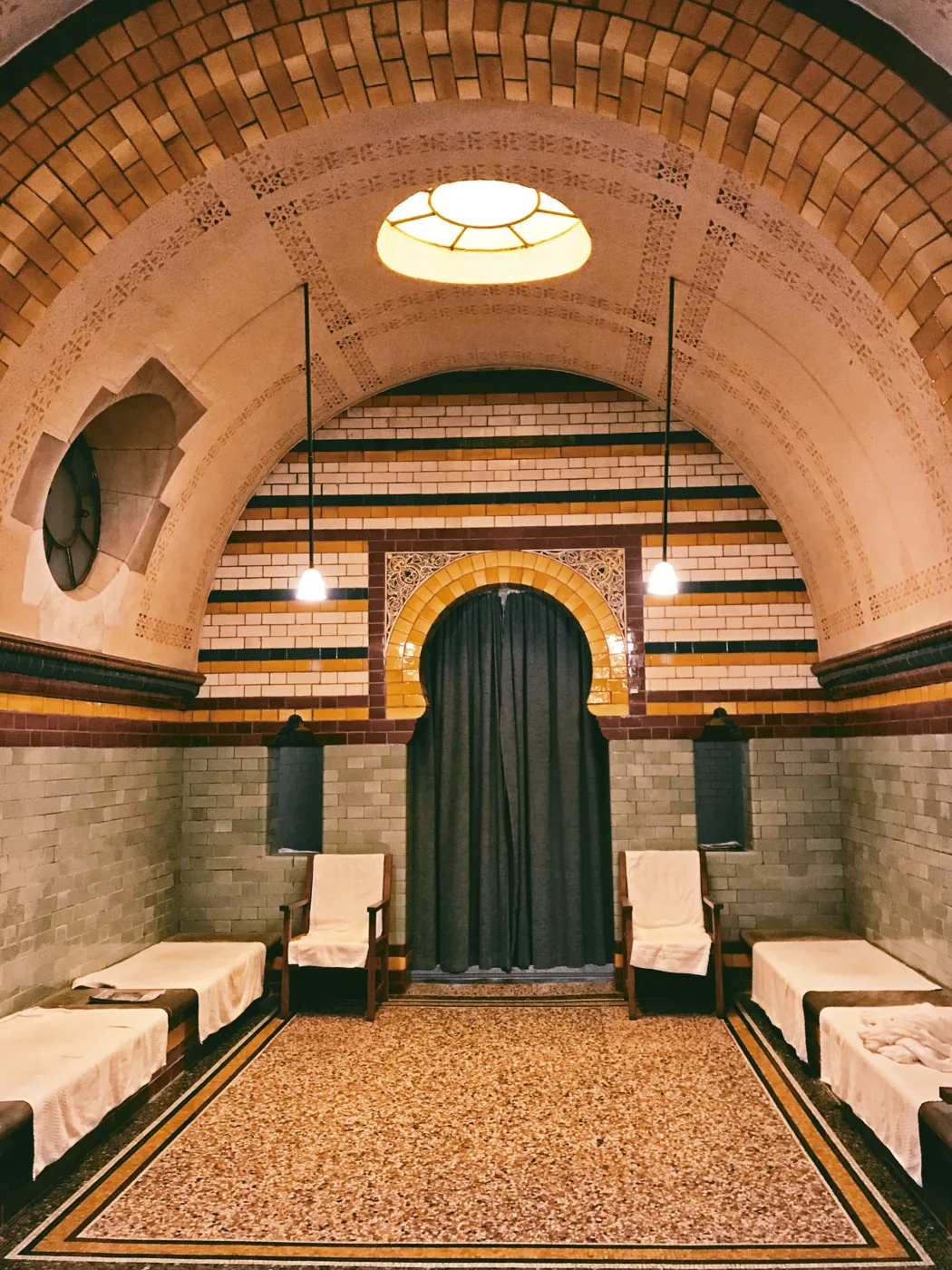
No bedrooms, or bedrooms beside the point. You book a session, a thermal journey or a treatment and go home the same day. City bathhouses and sauna houses have grown fast, and a few Victorian Turkish baths still run, Harrogate’s among them (see our Yorkshire spa days page), and they are often the best facilities you can reach without an overnight stay. Some exclusive spas go the other way and take no day visitors at all: the Eynsham Baths at Estelle Manor is open only to members and hotel guests, as our Estelle Manor page explains.
4. Thermal water spas
There is only one place in Britain with naturally warm spa water: Thermae Bath Spa in Bath, which uses the city’s hot springs and has an open-air rooftop pool. Everything else sold as a thermal spa in the UK is heated mains or borehole water in a tiled room. That does not make it worse, but it is worth knowing what the word means when you see it. Thermae has a minimum admission age of 16.
Six checks before you book any spa break
1. Is there a real thermal suite, or just a pool?
A “spa” can mean a pool and a hot tub, or it can mean a sequence of saunas, steam rooms, experience showers, a cold plunge and a relaxation room. The difference is the whole point of a spa break. Look for the spa’s own facility list, not the hotel’s summary, and count the heat rooms. Our outdoor spa UK page lists the places with outdoor pools and hot tubs worth the trip.
2. How many day guests does it take?
Hotel spas earn a lot from day packages, and on a Saturday the pool can be full of people who are not staying. Ask whether day spa guests are admitted, whether hotel guests have set hours when the spa is reserved for them, and how many day bookings a session takes. Hen parties tend to book weekends, so a weekday stay is quieter almost everywhere.
3. When can you actually use the spa?
Many packages give spa access from a set time on arrival day and until a set time on departure day, and some only open the spa to you on one of the two days. A one-night break with spa access on day two only is a different product from one with access on both days. Our page on overnight spa breaks compares real packages on this point.
4. What are the age rules?
Most spas set a minimum age, commonly 16 or 18, and some allow children only in short family swim slots. This matters for mother and daughter trips and for families: check before you book, not at reception. Our mother and daughter spa day page lists venues by age policy.
5. What is in the package, exactly?
Look for four things: whether a treatment is included and how long it is, whether dinner is a set menu or a credit, whether robes and slippers are provided, and whether the thermal suite is included or a paid extra. Treatments are where the price climbs, so a package that includes one can be cheaper than a room rate plus a treatment booked separately.
6. Which date are you booking?
The price of a spa break is mostly the hotel’s room rate, and that follows demand. Sunday to Thursday nights in school term time are cheapest; half terms, bank holidays, Valentine’s Day and Mother’s Day are the dearest. Our cheapest time to book a spa break page lists the peak dates to avoid until summer 2027, and last minute spa breaks explains why short-notice rooms appear when they do.
Who each type suits
| You want | Book |
|---|---|
| A complete switch-off, classes and treatments all day | A destination spa resort |
| A spa plus walks, dinner and a proper hotel | A hotel with a spa, chosen for its thermal suite |
| The best facilities without staying overnight | A day spa, bathhouse or twilight session |
| Naturally warm water | Thermae Bath Spa |
| A quiet stay | Any of the above, on a weekday in term time |
| A break alone | A spa hotel that welcomes single guests; see solo spa breaks |
| A couple’s treat | See luxury spa breaks for couples and couples spa days |
Spa breaks by region
We check spas region by region, with pool details, age limits and day-guest policies taken from each venue’s own pages:
- London and the South East: spa deals in London, Kent, Surrey, Sussex, Hampshire, Windsor and the Thames Valley, Essex and Oxford.
- The South West: Cornwall, Dorset and Somerset.
- The Midlands and East: Birmingham, Leicestershire, Nottinghamshire, Lincolnshire, Suffolk, Worcestershire and Milton Keynes and Bedfordshire.
- The North: Manchester, Liverpool, Cheshire, Yorkshire, York, Blackpool and Lancashire, Northumberland and the North East.
- Scotland, Wales and Northern Ireland: Scotland, Glasgow, Wales, North Wales and Northern Ireland.
Before you pay
- Read the cancellation terms. A dated spa booking usually has no 14-day cooling-off period; our page on cancelling a spa break covers what you can get back.
- Check a voucher’s expiry date if you are paying with one; see spa voucher expired.
- Pack properly. Our what to wear to a spa day page has the list.
- Ask about the pool water if you are unsure about a place. UK spas follow HSE guidance on testing hot tubs and pools, and our page on spa pool safety rules lists the questions worth asking.
Frequently asked questions
What is the best type of UK spa break? It depends on what you want from it. A destination spa resort suits a full switch-off; a hotel with a good thermal suite suits a break that mixes the spa with walks and a good dinner; a day spa or bathhouse gives the best facilities without an overnight stay.
When are UK spa breaks cheapest? Sunday to Thursday nights in school term time, away from bank holidays and gifting dates such as Valentine’s Day and Mother’s Day.
Does the UK have natural thermal spas? Only one. Thermae Bath Spa in Bath uses Britain’s only naturally warm spa water. Other UK thermal spas heat their water.
How do I avoid a crowded spa? Book a weekday, ask whether the spa takes day guests and whether hotel guests get reserved hours, and avoid half terms and bank holiday weekends.
What should a spa break package include? At least spa access on both days of an overnight stay, robes and slippers, and either a treatment or dinner. Check how long the treatment is and whether the thermal suite costs extra.
Is there a minimum age for UK spa breaks? Most spas set one, commonly 16 or 18, and some allow children only at set family swim times. Check the venue’s own policy before you book.
Found a place we’ve missed? Tell us about it.
Back to top